
Cape Breton Isn’t Closed: Why Winter Is the Island’s Best-Kept Secret
When you think of winter on Cape Breton Island, what comes to mind? Do you picture the island curling up for a long seasonal nap, waiting quietly for spring thaw? Or does winter spark something in you—an itch for a completely new kind of adventure? I’d bet most folks, maybe even you, pack away any thought of Cape Breton travel the moment the temperature drops. The hiking boots go into storage, the tent gets tucked onto a shelf, and the mental label slapped on the bin says, “Do Not Open Until Spring.”
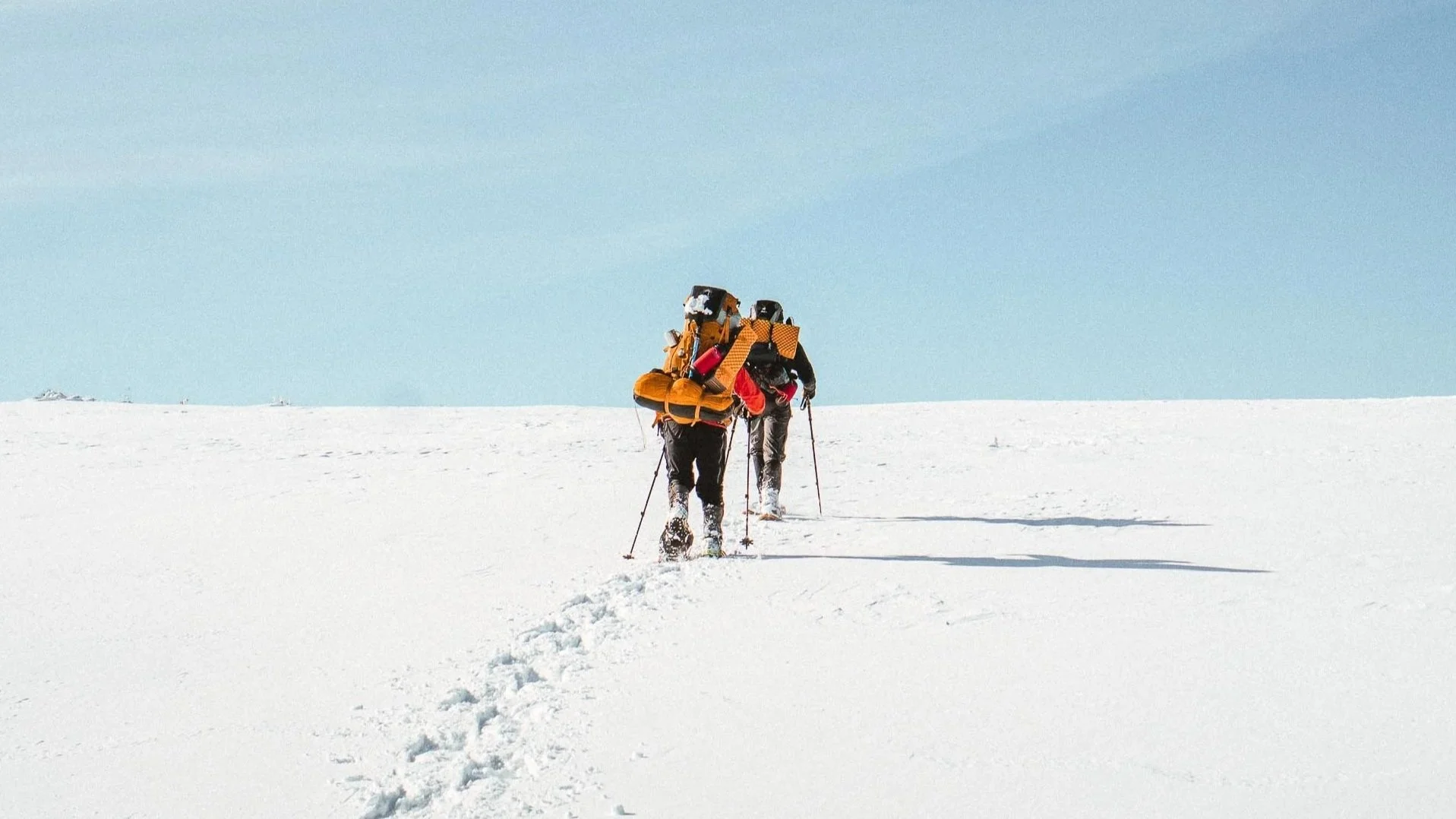
Rocky Barren - Cape Breton Highlands National Park Backcountry
To be fair, for those of us who avoid crowded trails and jam-packed viewpoints, that’s music to our ears. I built an entire business on guiding people to wild corners of Cape Breton—places that feel untouched, otherworldly, and wonderfully empty. But here’s the best-kept secret: winter opens up an almost endless list of those “otherworldly and empty” places, many sitting quietly in our own backyard. And hardly anyone is talking about them.
Spend even five minutes searching online for winter camping routes, ski traverses, or snowshoe trips on Cape Breton, and you’ll hit a wall fast. A few YouTube videos—maybe one of ours, maybe one from Davey and Sky or the Northern Scavenger crew—and that’s about it. No detailed winter backcountry info for Cape Breton Highlands National Park. No route descriptions for the vast terrain north of Smokey. At a glance, it looks like the whole island hangs a “Closed” sign in November.
But look at a map. Really look. Most of the northern half of Cape Breton is roadless wilderness—empty, quiet, and barely explored. That’s the opportunity. That’s what gets us fired up every season.
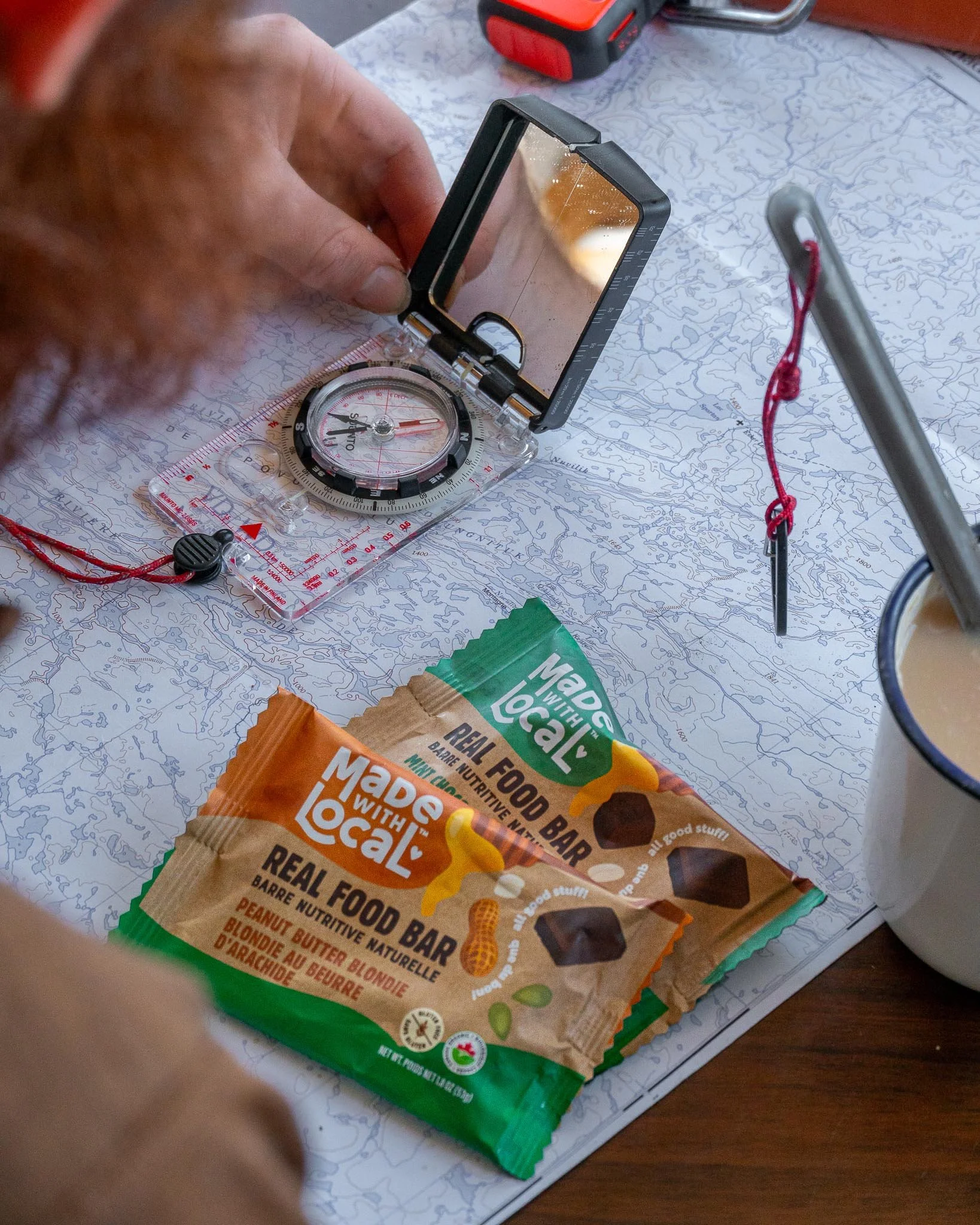
Route research - Maps and Coffee
Around this time each year, our crew and our close friends start dusting off their winter kits, pouring over maps, and watching weather models like hawks. The excitement builds as soon as the highland snowpack starts to form. As a guide who takes people out year-round, I’m deep in conversations with clients about gear choices, safety planning, and what kind of winter trips they want to tackle. It’s a good kind of busy—the kind that comes with possibility.
The biggest thing I’ve noticed after years of guiding is that most people stick to designated trails. And I get it. The unknown feels intimidating. If the route isn’t neatly marked with trail signs, many folks simply can’t envision how to move through that terrain safely. It’s like there’s an invisible wall at the edge of the footpath. Part of our role as a guiding company—and as members of the outdoor community here—is helping people push past that wall. The more people we help get comfortable with off-trail, backcountry travel, the more we shift the perception of what Cape Breton has to offer. We’re not just the Skyline Trail. We’re so much more.
So if you’ve made it this far, thank you. That whole intro was basically my long-winded way of telling you that this winter, we’re going to start sharing more information about these areas—what’s possible, where to start, and how to begin exploring the wilder parts of the island.
Below are a few regions you can use as a launching point for your own winter backcountry adventures. This post isn’t about specific routes (that’ll come later), but it will give you the lay of the land.
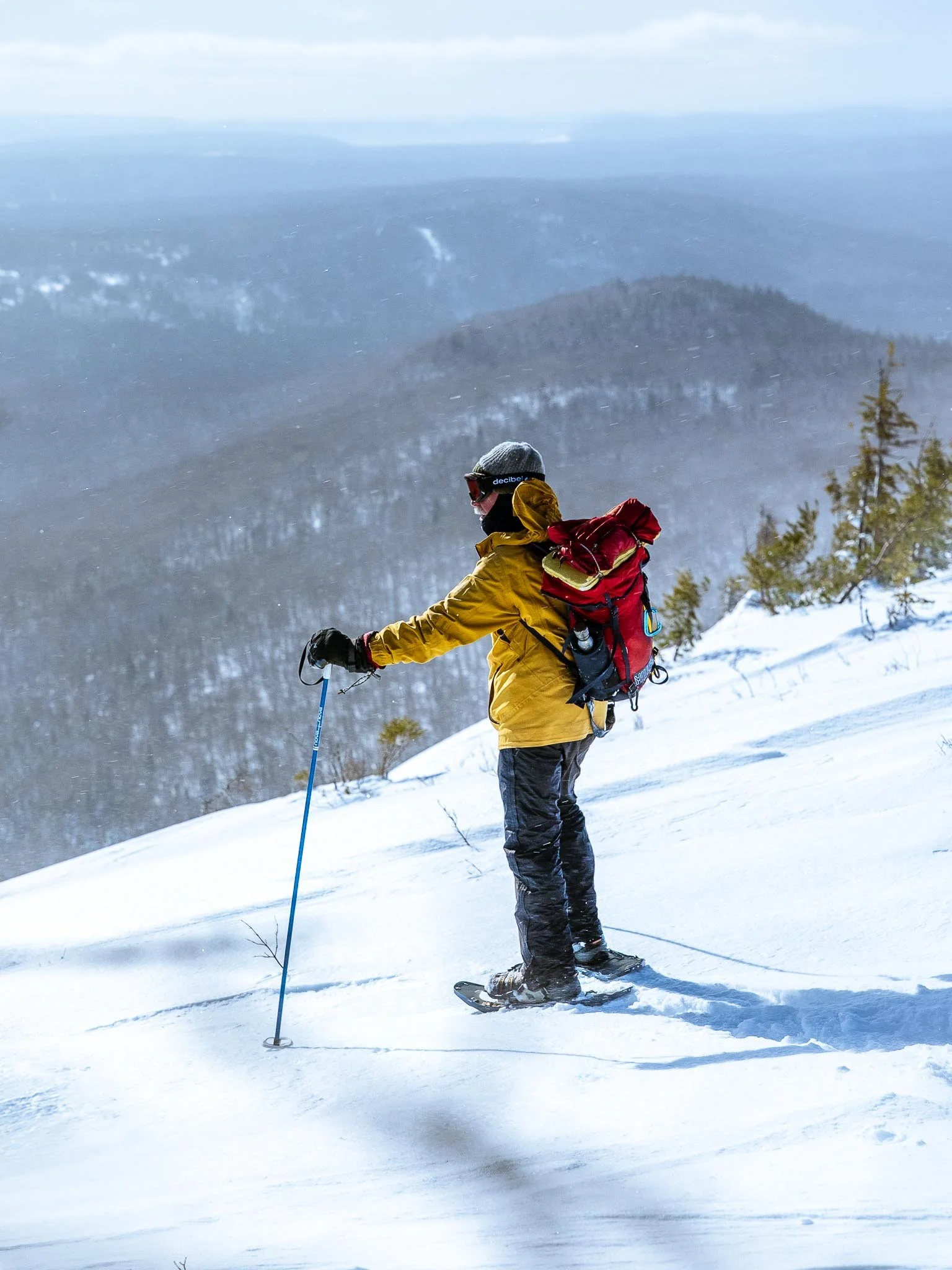
Bald Mountain - North River Wilderness
Nova Scotia Wilderness Areas
Nova Scotia has 70 protected wilderness areas, all open for hiking, camping, and multi-day trips. No permits. No fees. Some areas have established trails, but many don’t—which is exactly why they’re perfect for exploration.
Permits: None
Fees: None
Areas We Recommend:
• North River Wilderness Area
• Margaree Wilderness Area
• Pollett’s Cove–Aspy Bay Wilderness Area
• Middle River Wilderness Area
• Mabou Highlands Wilderness Area
Cape Breton Highlands National Park Backcountry
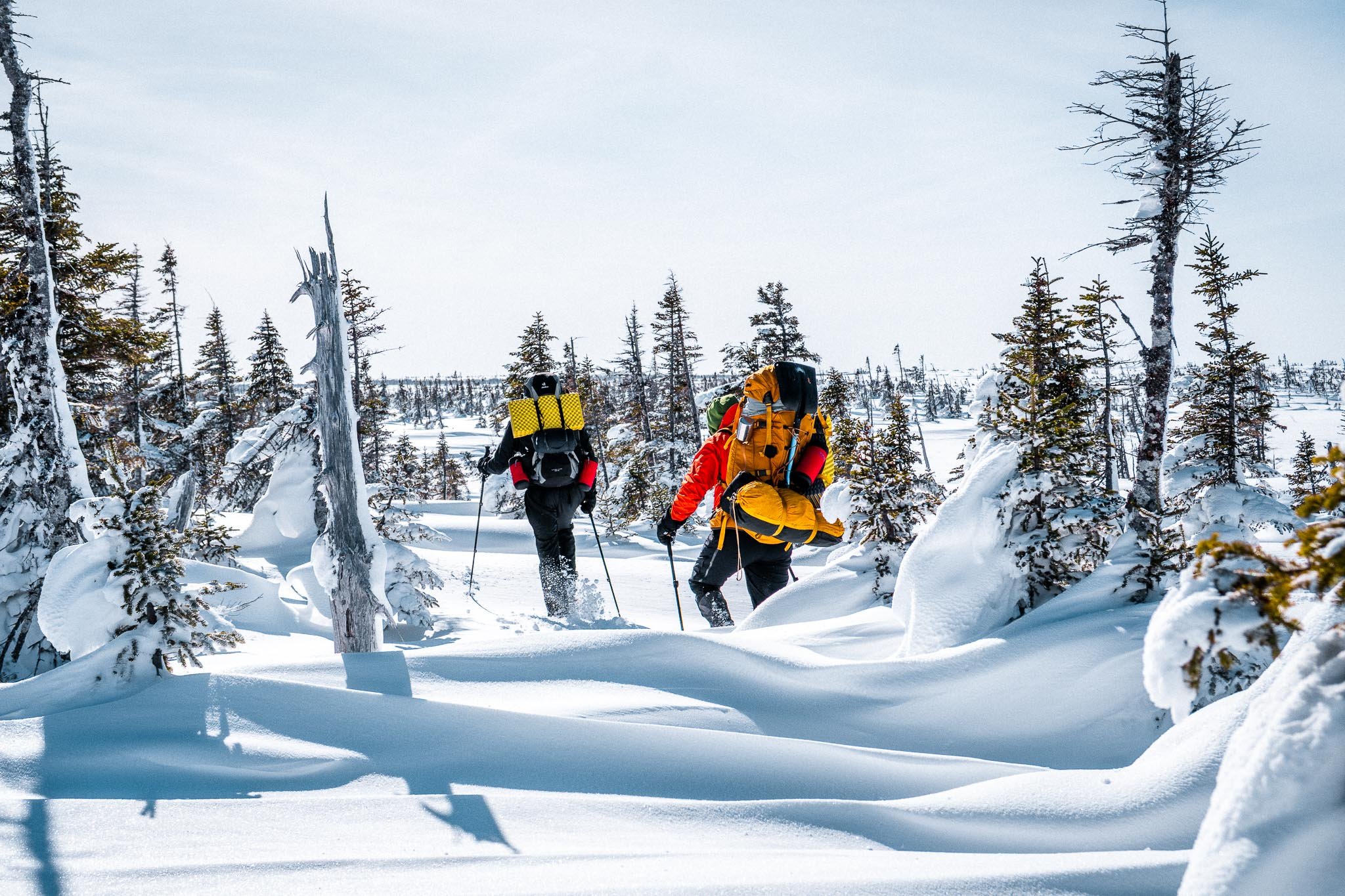
White Hill Lake - Cross the Highlands 2024
Most people don’t know the park once had multiple mapped backcountry routes. These days, only Fishing Cove remains listed officially—but when I talk about the park backcountry, I mean everything off-trail in the interior.
There’s almost zero public information on this zone. Some regions are off-limits for camping, but day travel is open. For overnight trips in non-designated areas, you’ll need a Parks Canada backcountry permit. I’ve put together a Parks Canada Permit pack, including all required forms, a copy of our emergency action plan template, and a list of contact names and email addresses to send these permits to. This is FREE to download.
Permits Required: Yes
Fees: ~$15 + HST per person, per night
Processing Time: Minimum 14 days+
Group Size Limit: Max 6 people
(You’ll need to submit your route, GPS sites, safety plan, group info, and vehicle details.)
Get out there this winter!
I hope this gives you a starting point for planning your own winter trip on Cape Breton. We’re as excited for the season as anyone, and we’ve got a few new programs launching that I’m fired up about! One is Franey Basecamp - a new winter refuge - opening for bookings before the Holidays! Click here to read more about this project.
If you have questions, reach out anytime: lee@livelifeintents.com
Happy adventures,
Lee